home


                  Hello Everyone,                                                                                                                                                                                                                                    February 4, 2026        

                    In this Issue:


  1. "NIGHT OF 5km P.B.'s."
  2. The Biggest Taper
  3. Sudbury Rocks Running Club - Group Runs
  4. Photos This Week,
  5. Upcoming Events: Mar 1 2026 Sofie Manarin Nickel Loppet, Mar 8 Frosty Growler, May 24 2026 SudburyRocks!!!


   July 8, 2026


As promised Darren Jermyn, Track North, has scheduled a special "NIGHT OF 5km P.B.'s."

Keep the date open. This will be a fun event.


Looking at accommodating folks 30 minutes or faster. Hoping that captures everyone.


The Biggest Taper

Some new research about marathon training may leave you scratching your head, but makes sense in the context of your running life as a whole
By Alex Hutchinson for Canaduan Running Magazine


A recent study of how Boston Marathon qualifiers train contains a seeming contradiction. The more you train in the four months leading up to the event, the faster you’ll race. So far, so obvious. But if you increase your training in those final fourth months compared to the preceding eight months, you’ll race more slowly. Reconciling those two observations leads to some important insights about what it takes to run your best marathon—insights that extend beyond the narrow question of how to plan your taper.

What the study found

The new research was published in the journal Sports Medicine by a team led by Alexandra DeJong Lempke (and including Canadian researcher Trent Stellingwerff of the Canadian Sport Institute Pacific). They surveyed a total of 917 athletes competing in the 2022 edition of the Boston Marathon, collecting data on their training history and race performances. The key comparison was between their training from 12 to four months before their race, and during the last four months before the race. (So, the eight months leading up to their four-month buildup, and the build itself.)

The basic results were unsurprising: training more makes you faster. More total mileage, a greater number of runs per week, more easy running, more hard workouts—in broad strokes, for this particular group of runners (whose average race times were 3:53 for women and 3:35 for men), more was always better. That was true for the year leading up to the race, and for the four months leading up to it.

For the researchers, the interesting question was how training would change in the final four months. There are various theories of periodization—that is, of how your training should evolve as you approach a race. The traditional “linear” view is that you gradually decrease your mileage and do more speedwork as the big day approaches. Alternately, “reverse” periodization calls for increased mileage and less speedwork in the final months.

On average, the runners in the study didn’t seem to be following either approach. In the final four months before the race, they increased their number of runs per week from 5.0 to 5.3, consistent with linear periodization. But they also increased their number of hard workouts per week from 1.7 to 1.8, as you’d expect with reverse periodization. Rather than any particular form of sophisticated periodization, this seems more like cramming for an exam: the closer the race gets, the more of everything they’re doing.

This is an understandable impulse. Who among us hasn’t glanced at the calendar, counted the remaining weeks before a big race, and resolved to ramp up our training efforts? But for the runners in this study, it didn’t pay off. All else being equal, those who reduced their training frequency in the final four months ended up racing faster than those who maintained or increased their training frequency. When we think of tapering for a race, we’re usually talking about a one- to three-week reduction in training volume. In this case, backing off over a four-month period paid off—or at least, that’s how it appears.

What the findings actually mean

Here’s the message you definitely shouldn’t take from these findings: that, begnning four months before your marathon, you should start slacking off and training less. Recall that doing more frequent runs, higher mileage and more hard workouts in the final four months predicted faster finishing times in Boston. And these factors had a stronger effect than the benefits of reducing training in the final four months. This is the apparent contradiction in the findings, and it leaves us with a dilemma about whether we should increase or decrease training over the final few months.

But we’re asking the wrong question here. It’s not about what we do in the final four months; it’s about what we’ve done in the preceding eight months. Those who could afford to back off in the final four months tended to be the ones who had already accumulated big miles over many months. The most important insight from Lempke’s data, then, is that playing the long game pays off for marathoners.

Training for a marathon, especially at the level required to qualify for Boston, is a constant game of risk and reward. More mileage and faster paces get you fitter, but they also raise the ever-present risk of injury, overtraining and burnout. Getting that balance precisely right—as fit as possible on race morning without being overcooked or carrying nagging aches and pains—is a challenge even for the best marathoners in the world, who are training full-time and whose every twitch is carefully monitored and analyzed by coaches and physiologists. For the rest of us, who are balancing family and work responsibilities and making our own training decisions, it’s a black art.

Neither this study nor any other can say whether you, individually, should increase or decrease your training in the final months before a race. If you haven’t been training particularly hard but are now motivated for a big goal, the benefits of continuing to ramp up four months out probably outweigh the risks of overdoing it. But if you’ve spent a year building toward Boston or some other goal race, stacking together weeks and months of consistent training, Lempke’s findings suggest that it pays to be cautious—to resist the temptation to keep pushing harder and harder, and to avoid digging yourself into a hole.

More generally, the study reinforces one of the most familiar training clichés, which is that we tend to overestimate what we can achieve in the short term but underestimate what we can do in the long term. It’s certainly possible to run a good marathon by putting in four months of hard work. But to run a great marathon—one that truly reflects what you’re capable of—you’ll need a year, or perhaps a lifetime.

Alex Hutchinson is a Toronto journalist specializing in the science of running and other endurance sports. His latest book is The Explorer’s Gene: Why We Seek Big Challenges, New Flavors, and the Blank Spots on the Map.


Sudbury Rocks Running Club - Group Runs


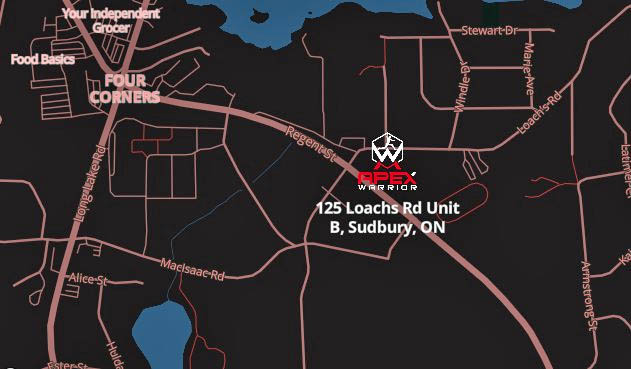
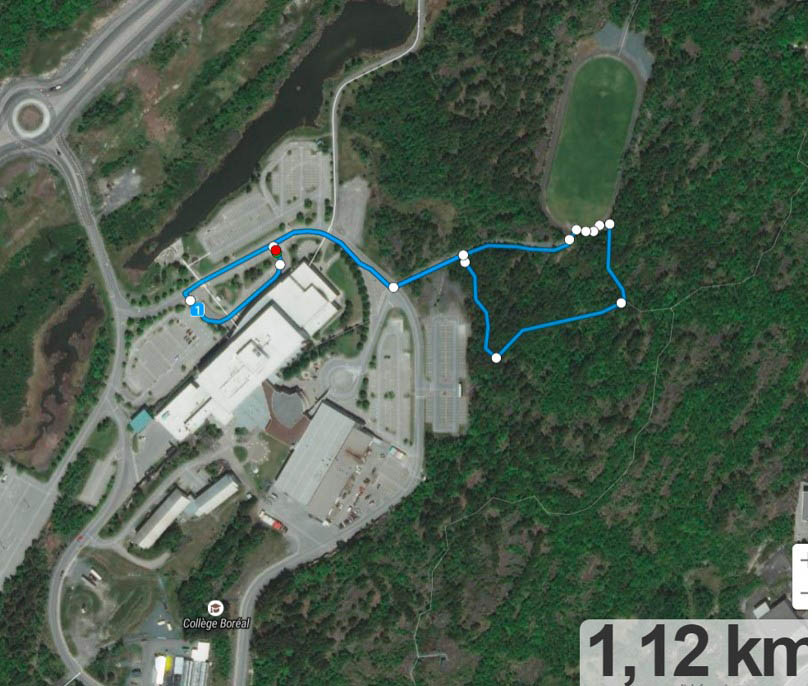
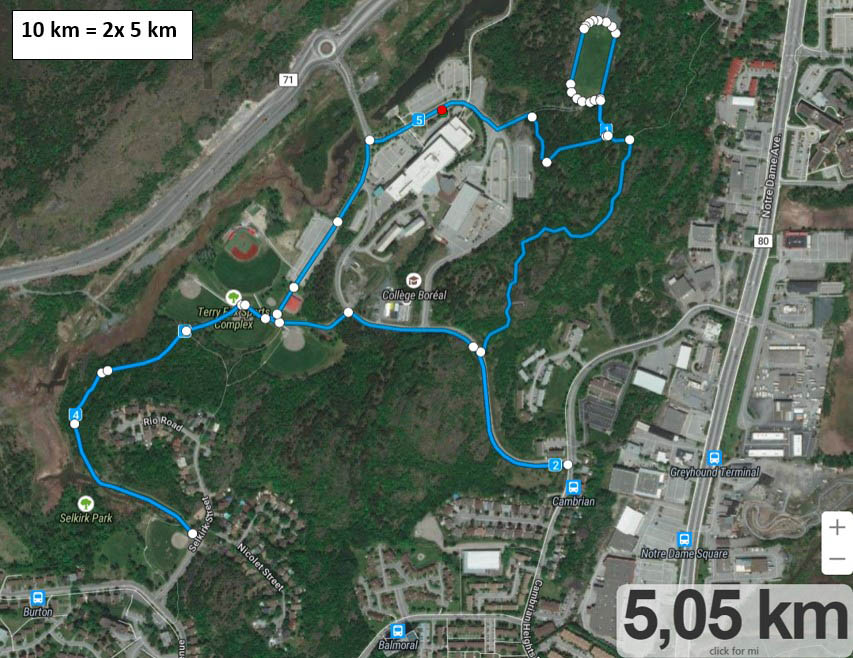
    Wednesdays - meet at Apex Warrior parking lot departing at 1800h. Typically runs are 1 hour or 10km.
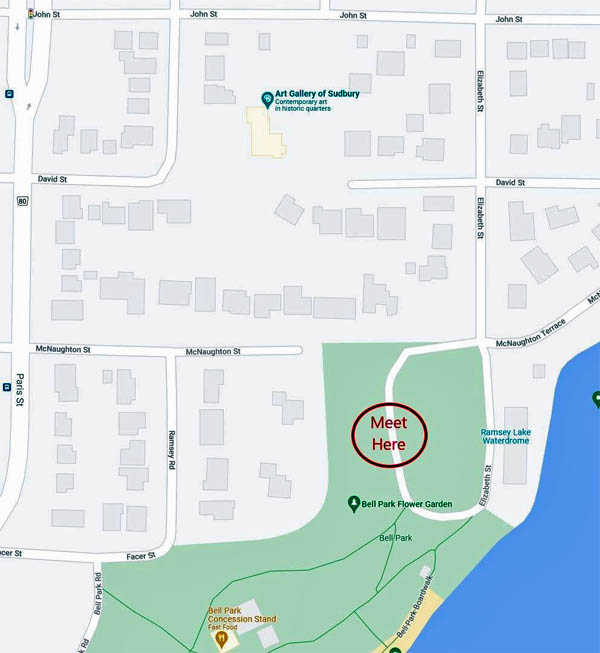
                    Saturdays - meet at Bell Park's Elizabeth St parking lot departing at 0800h. Typically runs are longer at 1.5 hours or 15km minimum.

Generally the pace floats between 5 and 7 minutes per km. Anticipate a mixture of roads and trail running on the routes.
Inclement weather is usually just a challenge. Group has only been cancelled for local races or xmas. Cancellations or changes in meeting locations will be posted.

Locations are show in the attached photos/maps.

Wednesday pm location

Saturday am location


Photos This Week


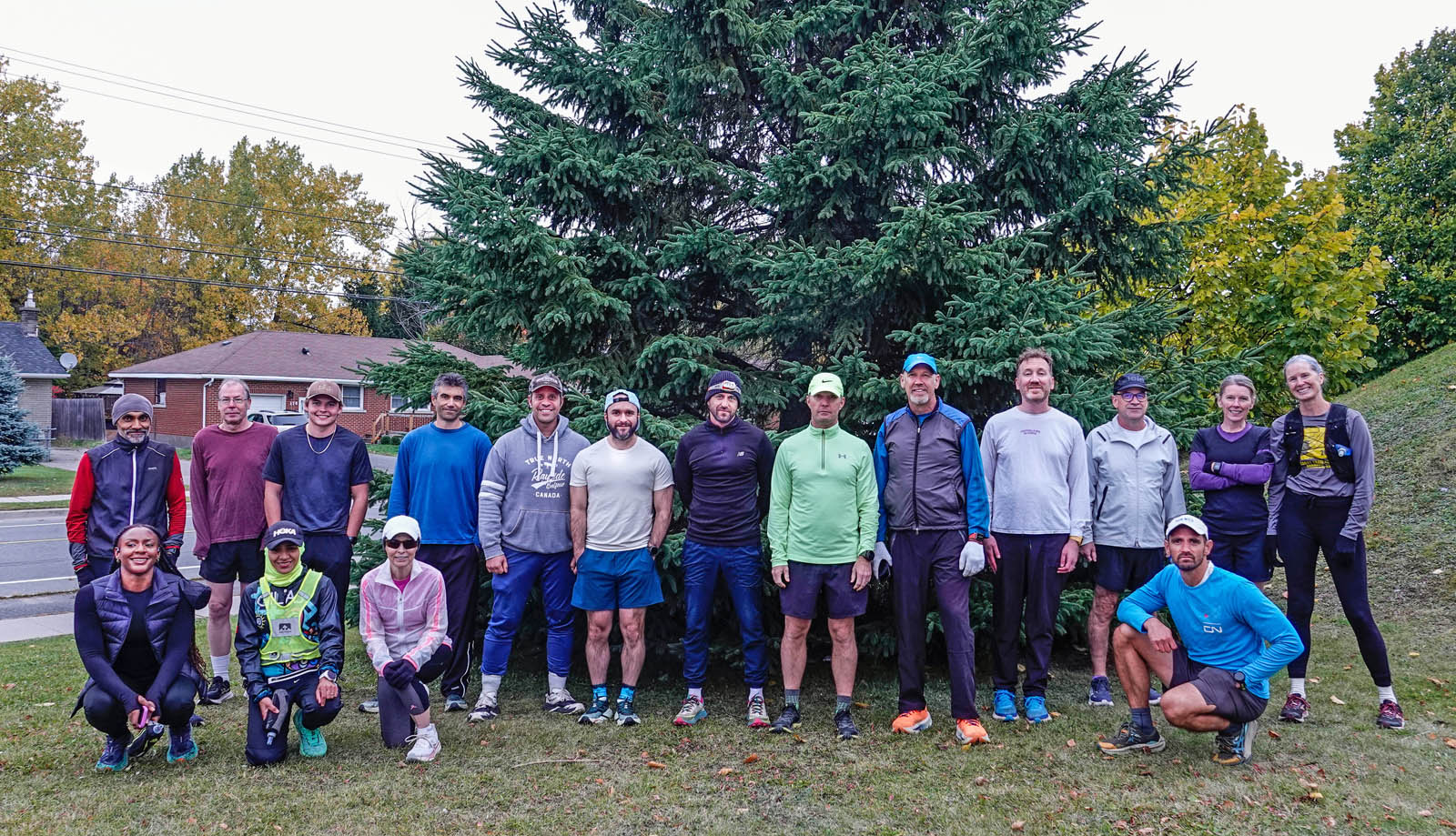
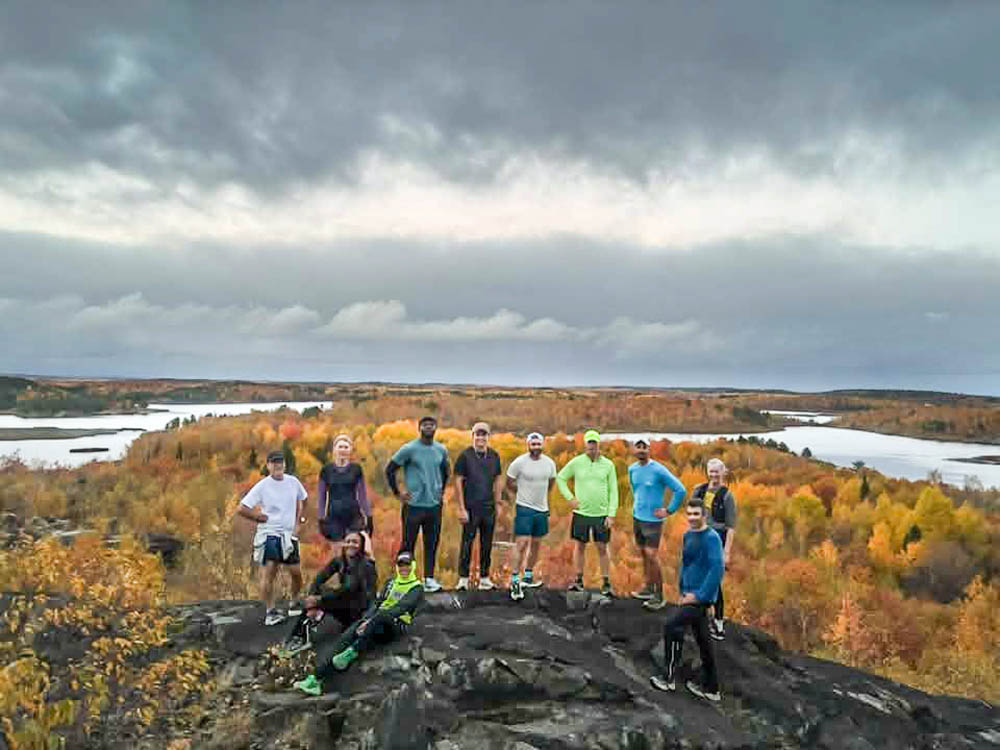
July 28 Rocks!! Wednesday pm run

Jan 27 Moonlight

Jan 28 Moonlight

Jan 28 Moonlight

Jan 28 Moonlight

Jan 28 Moonlight

Jan 29 Moonlight

Jan 29 Moonlight

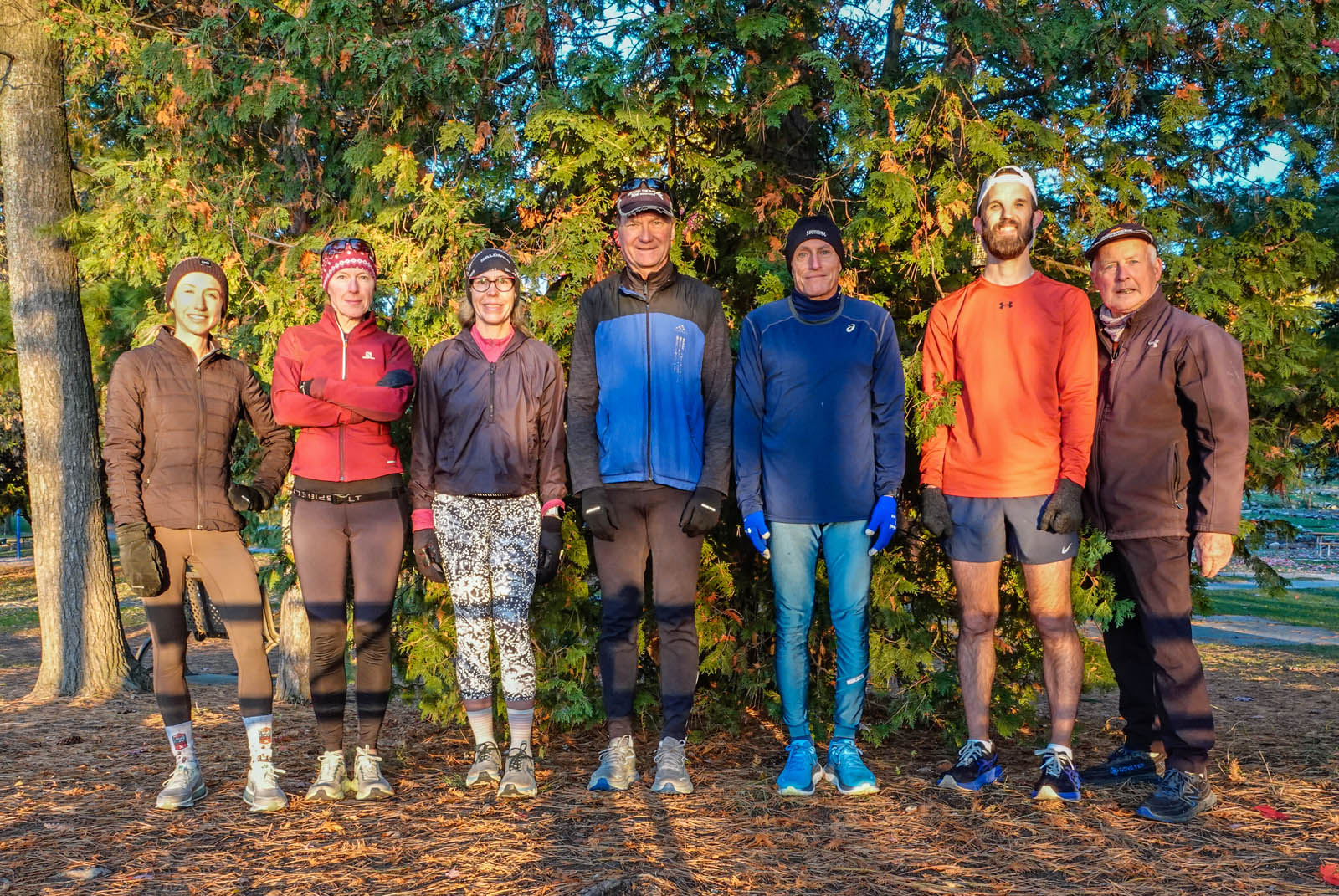
Jan 31 Rocks!! Saturday am run

Jan 31 Ramsey Skate Path

Jan 31 Bell Park

Jan 31 Bell Park

Feb 2 Bell Park

Feb 3 Moonlight

Feb 3 Moonlight

Feb 3 Moonlight


Upcoming Events

Sofie Manarin Nickel Loppet
Sunday, March 1, 2026


Information


 March 8, 2026

The Frosty Growler Triathlon is back for 2026 & bringing the heat to winter with a one-of-a-kind challenge that mixes skiing, biking, and running into one epic race.
Whether you’re racing solo or as a team, The Frosty Growler is all about getting outside and embracing winter! And.. this year, we have short and long course options!
Date: Sunday, March 8
Location: Kivi Park
Register Today:


May 24, 2026

SudburyRocks Race, Run or Walk


Registration is now open for 2026 SudburyROCKS!!! Can you feel the excitement! Secure your spot now, and mark your calendars for another epic event, Sunday May 24th 2026. We can’t wait!

Click on the Race Roster link in the bio or below!
https://raceroster.com/events/2026/111700/sudburyrocks-2026

Early bird prices until December 31st.


Contact Us

Proud sponsor of the Sudbury Rocks!!! Race-Run-Walk for the Health of it

ttp://www.sudburyrocksmarathon.com/

HOME | ABOUT US | CONTACT | ARCHIVES | CLUBS | EVENTS | PHOTOS | RACE RESULTS | LINKS | DISCUSSION


Click to Enter Site